
Sun Protection for Tweens in South Africa

Updated: Mar 30

In South Africa, daily sun protection is one of the most important things parents can teach their kids.
Healthy skin habits start early
In South Africa, sun protection is not a sometimes conversation, it’s a daily one. We live in one of the highest UV environments in the world, which means skin is exposed to strong ultraviolet radiation for much of the year. For children and adolescents, that matters even more, because sun exposure early in life contributes meaningfully to long-term skin cancer risk.
Why it matters
Ultraviolet radiation comes in two main forms: UVA and UVB.

UVB is the main driver of sunburn and plays a direct role in DNA damage that can lead to skin cancer.
UVA penetrates more deeply, contributes to photoaging, and also plays a role in carcinogenesis. In South Africa, both are relevant year-round. It’s not just beach holidays that count, it’s school, sport, commuting, and everyday outdoor exposure. All of that adds up over time.
And here’s the important part: sun exposure in childhood and adolescence has long-term consequences. Intense sun exposure and episodes of sunburn during younger years are associated with a higher risk of melanoma and other skin cancers later in life. That’s why building good habits early really matters.
Sun protection is layered
One of the key messages from the South African recommendations is that sunscreen should never be the only strategy. The most effective approach is layered protection:

Seek shade, especially between 10:00 and 16:00
Wear a wide-brimmed hat during outdoor activities
Choose sun-protective clothing where possible
Use UV-protective sunglasses
These simple measures significantly reduce the amount of UV reaching the skin and eyes.
What about sunscreen?
Sunscreen is essential, but it needs to be used properly and in adequate amounts. The guidelines recommend a broad-spectrum sunscreen that protects against both UVA and UVB. In our high-UV setting, SPF 50+ is recommended as the gold standard the minimum, particularly for fair skin or prolonged outdoor exposure.
Apply generously to all exposed areas 15–30 minutes before going outside, and reapply every two hours or more often if swimming or sweating. Under-application is one of the most common reasons sunscreen doesn’t work.
SPF 50 minimum. Apply generously. Reapply every 2 hours.
All skin tones need protection
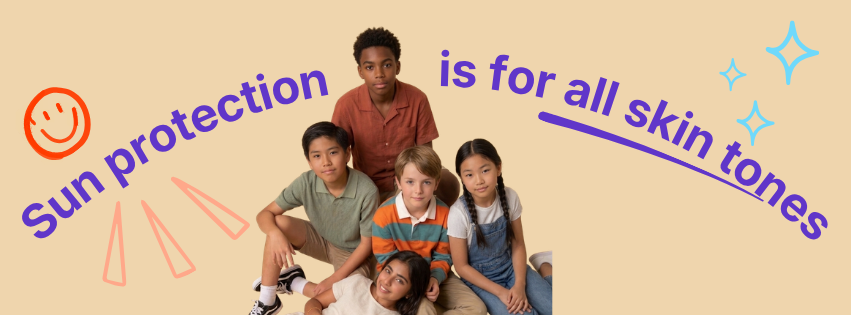
Melanin offers some natural defence, but it does not make anyone immune to UV damage. Skin cancer risk, pigmentation changes, photo-ageing, and eye damage can affect all skin tones. The goal of sun protection is not only cancer prevention, but also preservation of overall skin health.
Children need special attention
Children require particular attention when it comes to sun protection. For infants under six months, direct sun exposure should be avoided as far as possible, with shade and protective clothing used as the main forms of protection. In older babies, children, and teens, sunscreen becomes part of the routine alongside physical protection.
Schools and sporting environments are encouraged to adopt sun-safe policies too, including shaded areas and outdoor activities outside peak UV periods where possible.
The Beam approach
At Beam, we believe healthy skincare habits should start early and stay simple. Beam was created because Dr Tarryn and Dr Lauren saw a growing interest in skincare among kids, tweens, and teens, but many of the products being pushed online were too harsh or not age-appropriate. They wanted to create something different: skincare that is gentle, effective, fun to use, and easy for parents to trust.
Beam is a dermatologist-developed skincare range created specifically for kids, tweens, and young teens, for young skin, sensitive skin, developing skin. It is designed to support healthy habits without overwhelming or overdoing it.
That same thinking applies to sunscreen. Sun protection should not feel complicated or grown-up. It should feel like part of the rhythm of everyday care, just like brushing your teeth or washing your face.

A simple routine for tweens
A solid, dermatologist-approved skincare routine for kids and tweens just starting out does not need to be complicated.
Step 1: Cleanse
Cleansers help to remove dead skin, dirt, oil, products, and bacteria. Think gentle, not stripping.
Step 2: Moisturise
Yes, even if your skin is oily. A lightweight moisturiser keeps the skin barrier strong and hydrated.
Step 3: Protect
SPF daily for every skin tone. It’s your skin’s superhero shield against damage from the sun. And that’s it. Keep it simple, keep it consistent.
When should kids start with skincare?
This is one of the most common questions parents ask. A good rule of thumb is around the age of 8–10 years, or whenever the interest sparks. It’s a good time to separate body and facial skincare and start using dedicated facial products.
Even if there are no major skin changes yet, it’s still a great age to start building the habit. It’s not just about skin, it’s also about fostering a sense of self-care and independence.
The Beam take-home
Healthy skin isn’t built on trends. It’s built on habits.
A daily layer of sunscreen.
A hat in the school bag.
Shade where possible.
These small, steady actions protect growing skin today and support skin health for decades to come. Consistency matters more than perfection.
Do kids need sunscreen every day?
Yes. In South Africa, sun exposure happens during school, sport, commuting, and regular outdoor activity, not only on beach days.
What SPF should kids use in South Africa?
A broad-spectrum sunscreen with SPF 30 or higher is recommended, with SPF 50+ often preferred for prolonged outdoor exposure.
Do all skin tones need sunscreen?
Yes. Melanin offers some natural defence, but it does not prevent UV damage completely. All skin tones benefit from daily sun protection.
Building a simple tween skincare routine?
Start with Jelly Pop and Gleam Cream, Beam’s dermatologist-developed essentials for young, developing skin.
They were created to be gentle, effective, and age-appropriate, with simple ingredients that support the skin barrier and fit easily into a basic cleanse, moisturise, protect routine.