
Acne in Tweens & Teens: What’s Actually Going On (and How to Treat It Gently)
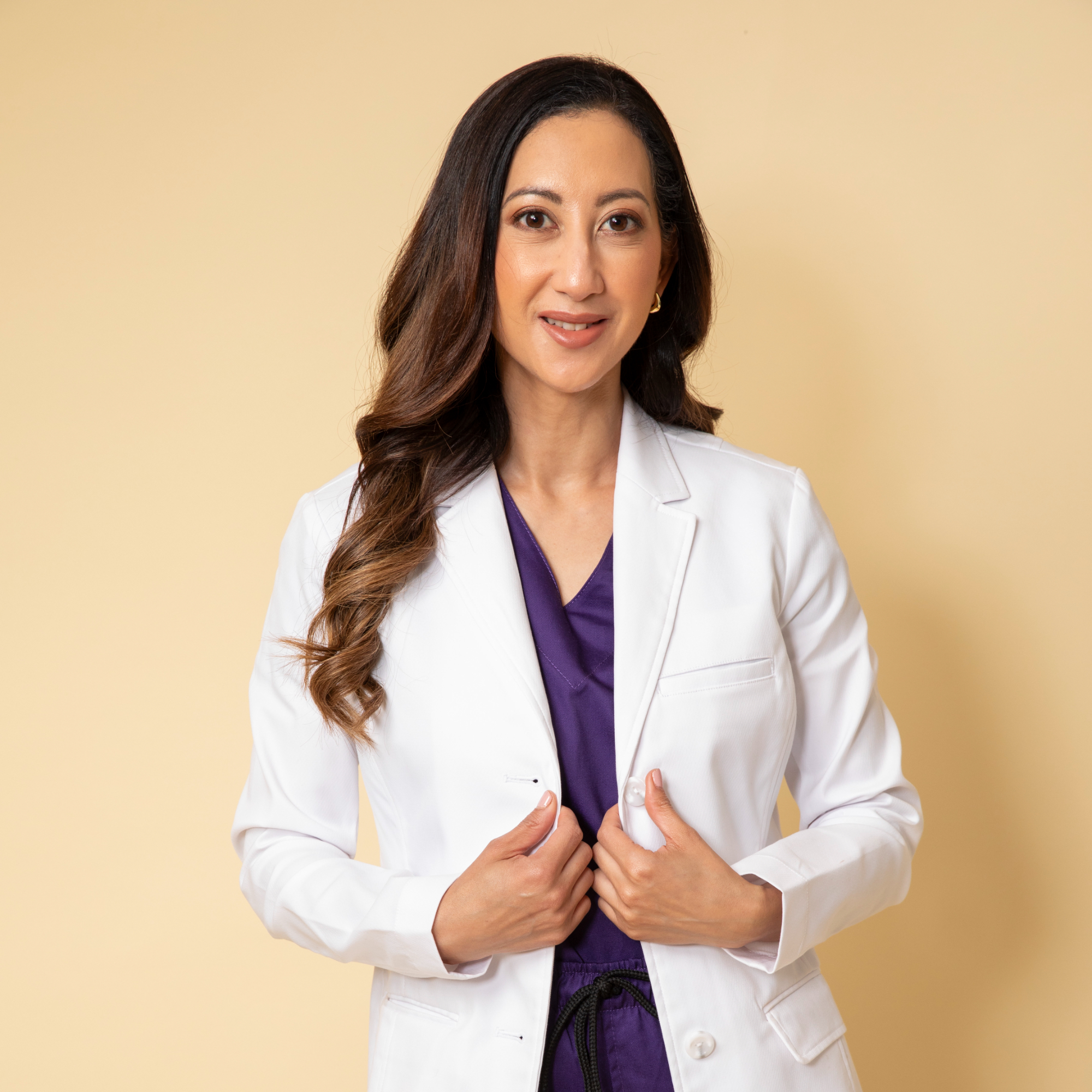
Dr Tarryn Jacobs
Acne is one of the most common skin concerns that we see in clinic as dermatologists. So, if you’re dealing with it you’re definitely not alone. Almost everyone experiences acne at some point, especially during the preteen and teen years when your skin is going through big changes.
The thing is acne isn’t just about “hygiene” or doing something wrong, It’s a complex skin condition and understanding it is the first step to managing it properly.
What causes acne?

Acne develops because of a combination of factors happening in the skin at the same time.
As you go through puberty, your body starts producing more hormones (especially androgens), which signal your oil glands to produce more oil (sebum).
At the same time:
Pores can become blocked with dead skin cells
Oil builds up inside the pore
There is a change in a type of bacteria called c.acnes
There is inflammation in the skin
While acne is a normal part of growing up, we want to make sure we manage it optimally to prevent the long term complications of scarring and try avert the negative effect it can have on a developing self-esteem.
The biggest myth: “Oily skin doesn’t need moisturiser”
This is one of the most common mistakes.
Even if your skin is oily or acne-prone, it still needs hydration. In fact, acne-prone skin often has a weakened skin barrier with less ceramides, which means it loses water more easily and becomes more sensitive.
So what do we as Dermatologists advise?
A simple skincare routine for acne-prone skin
At Beam, we always come back to this:simple skincare, done properly.
Here’s what that looks like:

What about active ingredients?
As you get older, certain ingredients can help support acne-prone skin but they should always be introduced carefully and appropriately.
Ingredients like these can be helpful:
Retinoids (support cell turnover)
Salicylic acid (helps unclog pores)
Benzoyl Peroixde (antibacterial action)
What NOT to do
If you’re struggling with breakouts, avoid these common habits:
Picking or squeezing spots (this can cause scarring)
Over-washing or using harsh scrubs
Trying too many products at once or not giving your acne products enough time to work.
When should you see a dermatologist?
If your acne:
Is affecting your confidence or mood
Isn’t improving with over-the-counter products
Is leaving marks or scars
It’s worth seeing a dermatologist for medical treatment. There are many safe and effective treatment options available, from topical treatments to oral therapies when needed.